
Does psychology work for everyone?
The first and most basic answer is that. Yes, therapy can be an effective treatment option for many mental illnesses and mood disorders, and regardless of how old or young you are, it’s an option you can put faith in.
The second answer, which covers the bigger picture – is that therapy might not work for everyone.
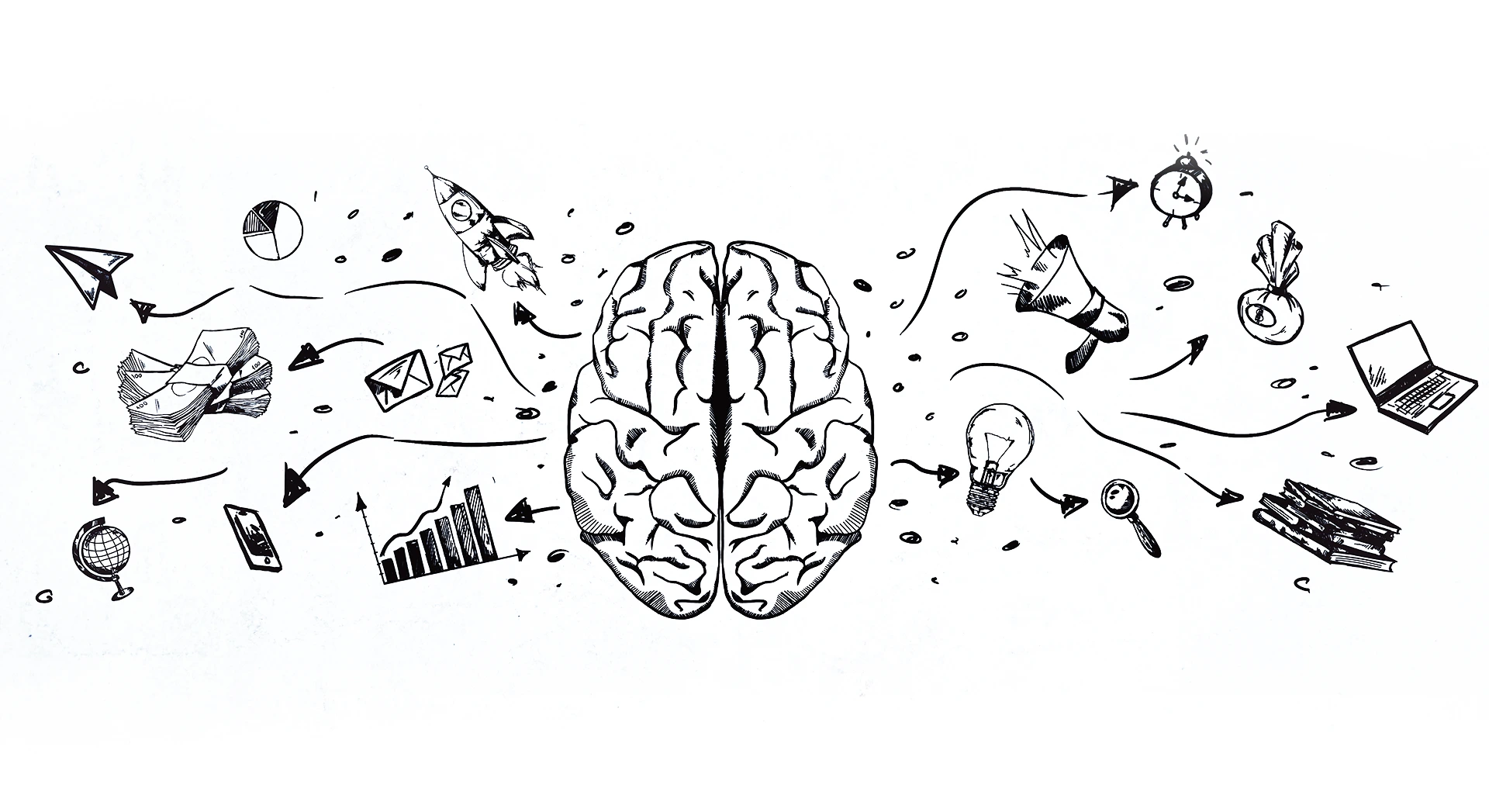
What if the brain changes to become the solution?
Neuroplastic-Behavioural Science trains the brain to grow through positive conditioning. Growth sequences are developed per individual to align with their goals.
Let’s break the word “neuroplasticity” down. “Neuro” refers to the nervous system consisting of the brain and spinal cord, and “plasticity” refers to change.
Our working definition:
Neuroplasticity, also known as neural plasticity or brain plasticity, is the ability of neural networks in the brain to change through growth and reorganization. It is when the brain is rewired to function in some way that differs from how it previously functioned.
These changes range from individual neuron pathways making new connections, to systematic adjustments like cortical remapping or neural oscillation. Other forms of neuroplasticity include homologous area adaptation, cross modal reassignment, map expansion, and compensatory masquerade.
Examples of neuroplasticity include circuit and network changes that result from learning a new ability, information acquisition, environmental influences, practice, and psychological stress.
The Brain retains its charm and mystery. However, medical science discovers new wonders each day. We understand the growth and development of the brain. Funny enough, doctors still prescribe ancient methods to cope with mental health issues such as Yoga, Martial Arts, and meditation.
Play dramatically increases the ability to learn. ~ The basis of Play Therapy.
Children learn faster due to their natural inclination to play. People with neurological disorders are educated with play therapy. To bridge communication gaps, and to build social confidence. So why do adults stop productive play?
When you lift weights, your muscles get stronger and bigger. When you do yoga, your brain cells develop new connections, and changes occur in brain structure as well as function, resulting in improved cognitive skills, such as learning and memory. Yoga strengthens parts of the brain that play a key role in memory, attention, awareness, thought, and language. Think of it as weightlifting for the brain.
Studies using MRI scans and other brain imaging technology have shown that people who regularly did yoga had a thicker cerebral cortex (the area of the brain responsible for information processing) and hippocampus (the area of the brain involved in learning and memory) compared with nonpractitioners. These areas of the brain typically shrink as you age, but the older yoga practitioners showed less shrinkage than those who did no yoga. This suggests that yoga may counteract age-related declines in memory and other cognitive skills.
Research also shows that yoga and meditation may improve executive functions, such as reasoning, decision making, memory, learning, reaction time, and accuracy on tests of mental acuity.
But, What does Scarlet Ignition do?
Scarlet Ignition builds Visual, Audio, and Physical sequences, to engage play and fun. These sequences stimulate the brain for a directed type of functioning, brains have preferences and once the brain accepts the fun. It becomes the fun, stimulating its own growth to a positive direction. This is not a medical procedure. It’s not coaching. It’s a deliberate practice to achieve a specific outcome.
We have seen results within 15 minutes on:
- Depression
- Trauma
- Anxiety
- Loneliness
- Confidence
- Migraines
We are currently investigating more behavioural sequences to transform people’s lives but our offerings are modest at this time.